I Stopped Cleansing My Skin in the Morning, and This Happened!
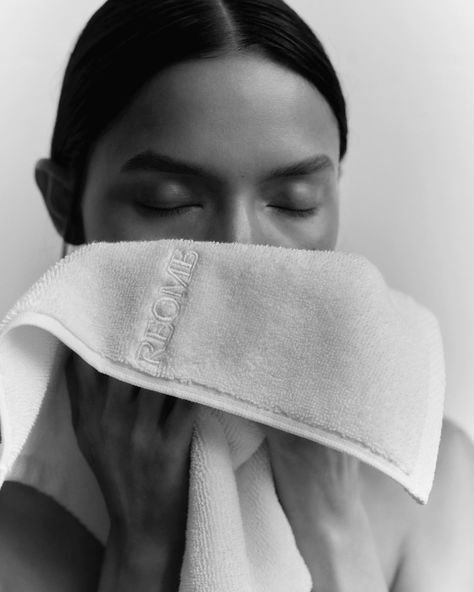
For a long time, I thought good skin meant clean skin, and clean skin meant cleansing often. Foaming cleansers, that tight feeling, and starting the day feeling fresh all seemed like the right approach. I didn’t question it, even when my skin felt dry, reactive, or slightly inflamed more often than not.
As I’ve gotten older, I’m 43 now, I’ve realised how important it is to protect the skin’s natural barrier instead of constantly stripping it away. That shift completely changed how I think about cleansing.
Why too much cleansing can backfire
Our skin has a natural barrier made up of oils, lipids, and beneficial bacteria. This barrier helps keep moisture in and irritation out. When we cleanse too often, or use harsh or overly foaming cleansers, we disturb that balance.
Over time, this can show up as dryness, sensitivity, redness, or skin that feels reactive no matter how many products you layer on. Looking back, many of the skin issues I thought I had weren’t really problems that needed fixing, they were signs that my skin barrier was struggling.
Why this matters more as we age
As we move into our forties and beyond, the skin naturally produces less oil. The barrier becomes easier to disrupt and slower to repair, and inflammation tends to show up more easily.
At this stage, aggressive cleansing can do more harm than good. Instead of supporting renewal, it can keep the skin stuck in a cycle of dryness and irritation. Realising this was a turning point for me. My skin didn’t need more effort, it needed more protection.
How I cleanse my skin now
These days, I only cleanse my skin in the evening, when I actually need to. That’s when I remove makeup, SPF, and the day.
I start with an oil cleanser to dissolve everything gently without stripping my skin’s natural oils, then follow with a mild, non-stripping cleanser to rinse everything away.
In the morning, I don’t cleanse at all. I use lukewarm water only before moving on to serum, hydration and SPF.
What changed after I stopped over-cleansing
Once I made this shift, my skin became so much softer and healthier. Redness settled faster, dryness improved, and I stopped feeling the need to constantly correct or compensate with heavier products.
The changes weren’t dramatic or instant, but they were consistent. Over time, my skin felt calmer, more balanced, and less reactive throughout the day.
Why this approach makes sense for me now
Cleansing less hasn’t meant neglecting my skin. It’s meant working with it instead of against it, especially as it changes with age. Protecting the skin barrier and microbiome has become far more important to me than chasing that squeaky-clean feeling ever was.
x Alia
Research worth exploring
• Review on skin barrier damage from surfactants and over-cleansing, International Journal of Molecular Sciences.This review explains how repeated exposure to harsh surfactants and frequent washing disrupts the skin’s lipid barrier, increases transepidermal water loss, and leads to dryness, irritation, and heightened skin sensitivity over time, especially in compromised or aging skin.