My Love for Red Light Therapy and Why It Works So Well
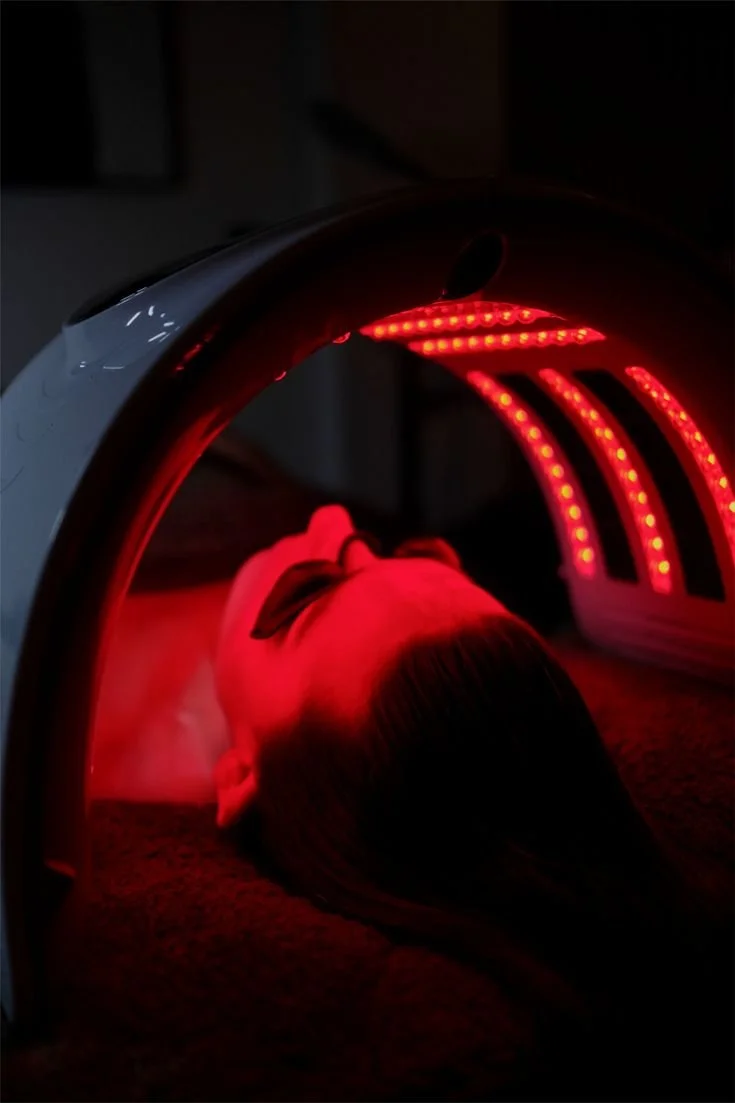
Red light therapy was something I originally offered in my wellness studio, and it was one of the treatments I fell in love with the most. Not just because of the visible results, but because of the ritual around it.
People would lie down, relax, and leave looking calmer and more rested. Over time, I noticed the same thing in myself.
When I closed my studio in 2023, it was one of the few things I genuinely missed. So I decided to buy a Celluma device to use at home and keep that ritual going.
What is red light therapy?
Red light therapy uses specific wavelengths of red and near-infrared light that can penetrate below the surface of the skin. These wavelengths interact with the mitochondria in skin cells, which are responsible for producing cellular energy.
Simply put, red light helps cells produce energy more efficiently.
When cells have more energy available, they’re better able to repair themselves, regulate inflammation, and maintain normal function. That’s why red light therapy is often associated with calmer skin, improved texture, and better recovery over time.
What appealed to me is that it supports the body’s own processes rather than forcing a result from the outside. It’s less about pushing the skin to change, and more about giving it the conditions it needs to work the way it’s meant to.
Why I love it
There’s quite a bit of research behind red light therapy, but what mattered more to me was noticing a clear pattern over time.
When I used it consistently, my skin felt less reactive. Redness settled faster. Texture felt smoother. The changes weren’t dramatic or instant, just steady and noticeable in a way that felt sustainable. Those are usually the signals I trust most.
How it fits into my routine
I don’t really think of red light therapy as a treatment. It feels more like built-in downtime. I use it on clean skin, sometimes with a light serum underneath, and sit or lie down with the light for about 20–30 minutes. This is where habit stacking naturally comes in for me.
Sometimes I meditate while the light is on. Other times I listen to a podcast, an audiobook, or just music. Pairing it with something I already enjoy is what made it stick. It stopped feeling like another thing on my to-do list and became something I actually look forward to.
What I’ve noticed with regular use
This is very much a slow-and-steady habit. After a few weeks of regular use, my skin looked calmer, more even, and felt more resilient overall. Even during periods when I use it less, my skin seems to hold onto that steadiness, which tells me it’s doing something supportive rather than aggressive.
What made it work better for me
What really changed things for me was adjusting when and how I use it.
I now use my red light every morning, first thing when I wake up, for about 20–30 minutes. I keep my skin clean and calm, no strong actives beforehand, because my skin responds much better that way.
Instead of treating it like a task, I stack it with something grounding. I either meditate or listen to a podcast or audiobook while the light is on. That habit stacking is what made it effortless. Over time, I realized that consistency mattered far more than intensity. Showing up regularly, keeping it simple, and pairing it with something calming is what gave me the best results.
Why I’ll keep using it
For me, red light therapy isn’t about chasing perfect skin or dramatic before-and-after results.
It’s about supporting my skin’s natural rhythm and keeping inflammation lower in a gentle way that feels easy to maintain. It doesn’t demand much, but it quietly does its job in the background, which is usually a sign it’s worth keeping.
xA
Research worth exploring
• Review on red light therapy and cellular repair, Seminars in Cutaneous Medicine and Surgery. This review explains how red and near-infrared light (photobiomodulation) interacts with mitochondria to improve cellular energy production, reduce inflammation, and support tissue repair. It also outlines why consistent, low-level exposure can benefit skin health, wound healing, and inflammatory conditions without damaging the skin barrier.