Why Supplements Are Not the Answer to Gut Health and Low Inflammation
What finally clicked for me
For a long time, I thought gut health started with probiotics. The capsules, the yoghurt, the kefir, all promising better digestion and balance. I followed that path for years, assuming that adding the right bacteria was the missing piece. What I didn’t really understand back then is that bacteria, even the good ones, don’t do much unless you actually feed them, and once that clicked for me, a lot of things started to make sense.
Simply explained, how feeding your gut works
Gut bacteria don’t live on supplements. They live on food, more specifically on fibres that the body itself can’t digest. Those fibres pass through the digestive system and become fuel for the bacteria living in the gut. When those bacteria are fed regularly, digestion tends to feel smoother, the gut lining feels more supported, and things often feel less inflamed overall. I remember realizing this because it explained so much of what I had been struggling with. I had spent years removing foods, restricting, and adding supplements, while barely thinking about whether I was giving my gut anything to work with on a daily basis.
Why this mattered for inflammation
Once I understood this, inflammation started to make more sense too. When gut bacteria are fed properly, they produce compounds that help keep the gut barrier strong and inflammatory responses more balanced. When that system isn’t supported, things tend to feel off, bloating, discomfort, low energy, that vague feeling that something isn’t quite right. I could eat what looked like a healthy diet on paper, avoid sugar, avoid gluten, avoid everything I had been told to avoid, and still feel inflamed and uncomfortable. I was doing many of the “right” things, but my body clearly wasn’t responding the way I expected.
The prebiotic versus probiotic shift
The distinction between probiotics and prebiotics is what changed my approach. Probiotics add bacteria, while prebiotics feed the bacteria you already have. Once I understood that difference, my focus shifted. I stopped chasing the perfect probiotic and started paying attention to whether I was feeding my gut consistently through food. For me, that made a noticeable difference over time, not overnight and not dramatically, but in a steadier, more lasting way. Things started to feel more stable, which was new.
What this looks like in real life
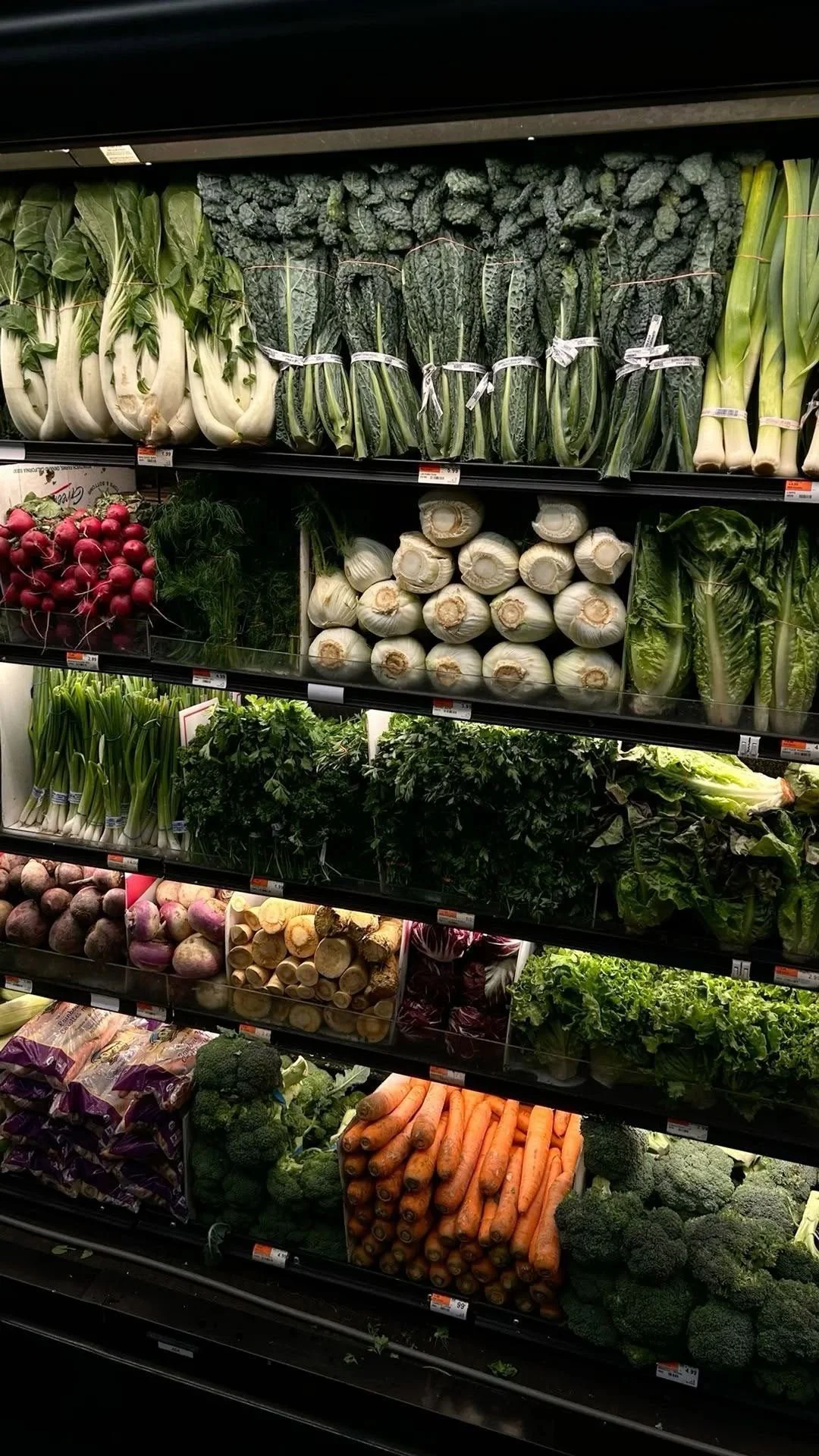
In everyday life, this looks very normal for me. It isn’t about one superfood or eating perfectly. Different gut bacteria prefer different fibres, which is why variety matters more than rules. In my kitchen, this shows up as oats, onions, leeks, garlic, beans, lentils, berries, asparagus, and slightly green bananas. Nothing exotic or expensive, just ingredients that naturally appear when I cook simple meals at home. It also helped me understand why highly restrictive diets never worked well for me long term. When whole food groups disappear, so does fibre diversity, and without that diversity, my gut always felt more fragile.
How I started
Once I stopped overthinking it, this became very straightforward. I focused on adding one prebiotic-rich food a day, not perfectly and not forever, just consistently. A bit of oats at breakfast, leeks in a soup, beans added to a salad. Small additions that don’t feel like effort but quietly add up over time.
Why this stuck for me
Prebiotic foods aren’t exciting. They don’t trend well and they don’t come with bold promises. But they work, and they form a foundation that feels realistic to maintain. This shift changed how my body felt more than most supplements ever did, and it made gut health feel simpler instead of overwhelming. It’s not complicated, it’s just something that worked for me.
Research worth exploring
• Review on dietary fiber and gut microbiota, Nutrients. This systematic review explains how dietary fibers are fermented by the human gut microbiota, producing short-chain fatty acids and influencing the composition and metabolic activity of gut bacteria, with implications for digestion and overall health.
• Review on prebiotics, probiotics, and gut microecology, PMC. This review describes how prebiotic fibers can modify gut microbiota by promoting the growth of beneficial bacteria and affecting microbial metabolism, and outlines how dietary components can influence microbial communities and gut environment.