Pamela Anderson’s Viral Lentil Soup
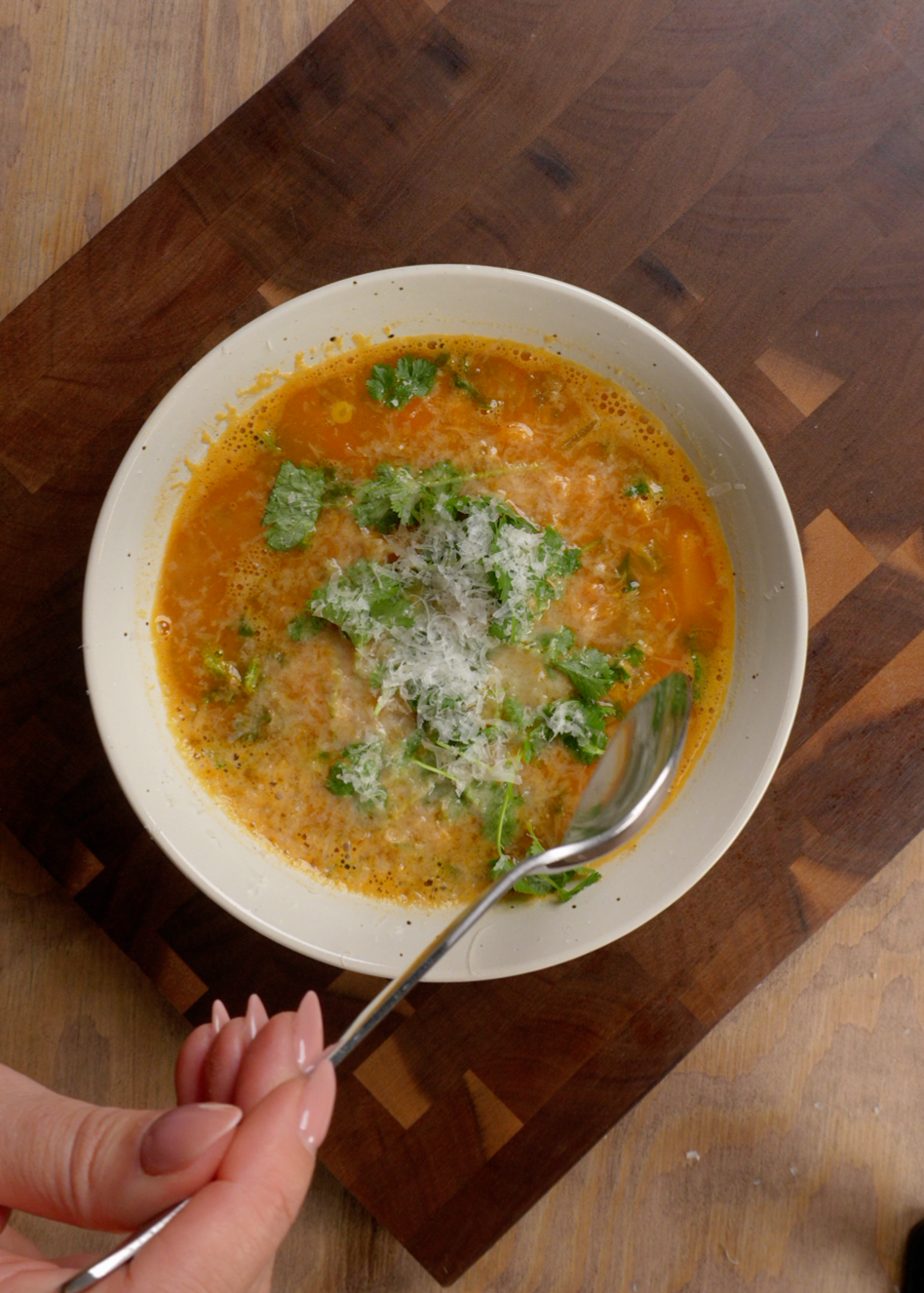
Pamela Anderson’s viral lentil soup, shared as a simple, anti-inflammatory meal I make when I want something grounding and nourishing.
This soup went viral because it’s honest, unfussy, and deeply comforting. It’s built around lentils, vegetables, and gentle spices, nothing dramatic or trendy, just food that supports the body without overwhelming it.
Why You’ll Love It
- Inspired by Pamela Anderson’s viral recipe
-Naturally plant-based and gluten-free
-Rich in fiber to support gut health
-Warming, grounding, and easy to digest
-Ideal for batch cooking and leftovers
Ingredients (serves 4–6)
3 tbsp extra virgin olive oil
1 small yellow onion, diced
2 celery stalks, diced
1 bunch small carrots, diced
1 medium sweet potato, peeled and diced
2 garlic cloves, sliced
2 tsp ground turmeric
2 tsp ground cumin
2 tsp ground ginger
2 tsp smoked paprika
1 tsp ground cinnamon
1 tsp fine sea salt
Freshly ground black pepper
2 dl (¾ cup) red lentils
3 tbsp tomato paste
2 l (8½ cups) vegetable stock
400 ml (13.5 oz) canned coconut milk
Juice of 1 lemon
3 large handfuls of kale or spinach
To serve (optional)
Greek Yoghurt Drizzle
Chili oil
Fresh parsley or cilantro
Cracked black pepper
Lime wedges
How to
1.Heat the oil in a large pot over medium heat.
2.Add the vegetables and cook gently until softened.
3. Stir in the spices and cook briefly until fragrant.
4. Add the lentils and stock, bring to a gentle boil, then lower to a simmer.
5. Simmer until the lentils are fully tender.
6. Finish with lemon, adjust seasoning, and serve warm.

Anti-Inflammatory Notes
• Lentils → rich in fibre that supports gut bacteria and stable blood sugar
• Ginger & turmeric → help calm inflammation and support digestion
• Garlic & onion → natural prebiotic foods that feed beneficial gut bacteria
• Olive oil → polyphenols that reduce oxidative stress