5 Lessons From Atomic Habits That Completely Changed My Life
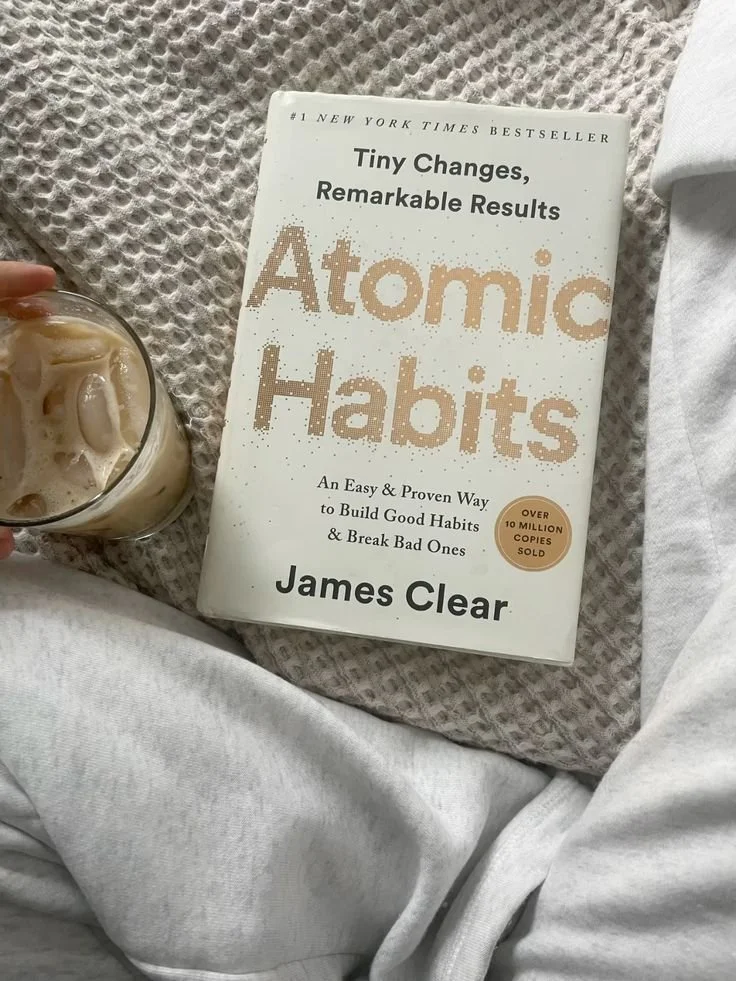
There are very few books I would genuinely call life-changing, and Atomic Habits by James Clear is one of them.
I first read it in 2021, and at the time it felt like someone had finally given me language for things I had struggled with for years. I re-read it again last week, and it hit just as hard, if not harder. Not because everything felt new, but because I could clearly see how much of my life today is quietly built on the ideas in this book.
Implementing the lessons from Atomic Habits helped me let go of some really bad habits, but more importantly, it gave me a framework. A toolkit. Something to come back to when motivation is low, life feels messy, or everything feels overwhelming. It didn’t make me disciplined in a rigid way. It made habits feel realistic and sustainable.
These are the five biggest lessons I took from the book, and the ones I still come back to today.
1. You Don’t Rise to Your Goals, You Fall to Your Systems
One of the core ideas in Atomic Habits is that goals don’t determine success, systems do. Goals are useful for direction, but they don’t carry you through your everyday life. Your systems do that.
Once I stopped obsessing over outcomes and started paying attention to how my days were actually structured, things became calmer. There was less pressure to “get it right” and more focus on creating a setup that made good habits easier to repeat. Instead of asking what I wanted to achieve, I started asking what my daily life needed to look like for that to happen naturally.
That shift alone changed how I approach almost everything.
2. Identity Comes Before Results
This lesson stayed with me immediately.
Every habit you repeat is a vote for the type of person you believe you are. When habits are tied to identity, they stop feeling like discipline and start feeling like alignment. You’re no longer forcing yourself to behave a certain way, you’re reinforcing who you already believe yourself to be.
Instead of thinking “I want to eat better,” it becomes “I’m someone who takes care of my body.” Instead of “I should work out more,” it becomes “I’m someone who moves regularly.” The behavior follows the identity, not the other way around.
For me, this removed a lot of internal resistance and guilt. Habits became an act of self-respect rather than self-control.
3. Small Habits Are Not Small
The word “atomic” really matters here.
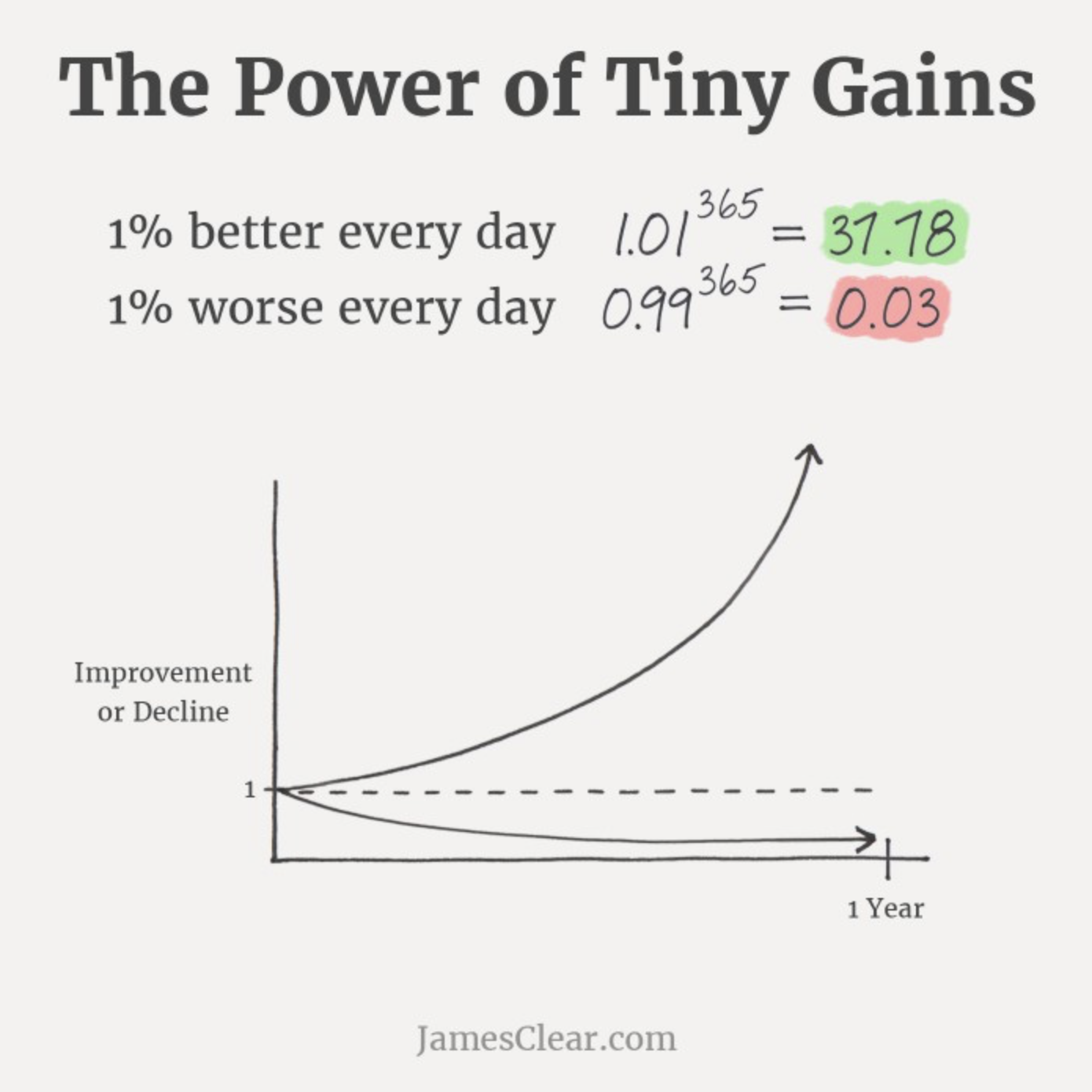
Small habits often feel insignificant in the moment, almost too small to count, but they compound over time in ways that are easy to underestimate. Ten minutes of movement, a few pages of reading, one nourishing meal, none of these change your life overnight. But when they’re repeated consistently, they quietly add up to something much bigger.
This lesson helped me stop waiting for big motivation or dramatic change and start trusting small, repeatable actions instead. Progress didn’t need to feel intense to be real.
4. Make Habits Obvious, Easy, and Supportive
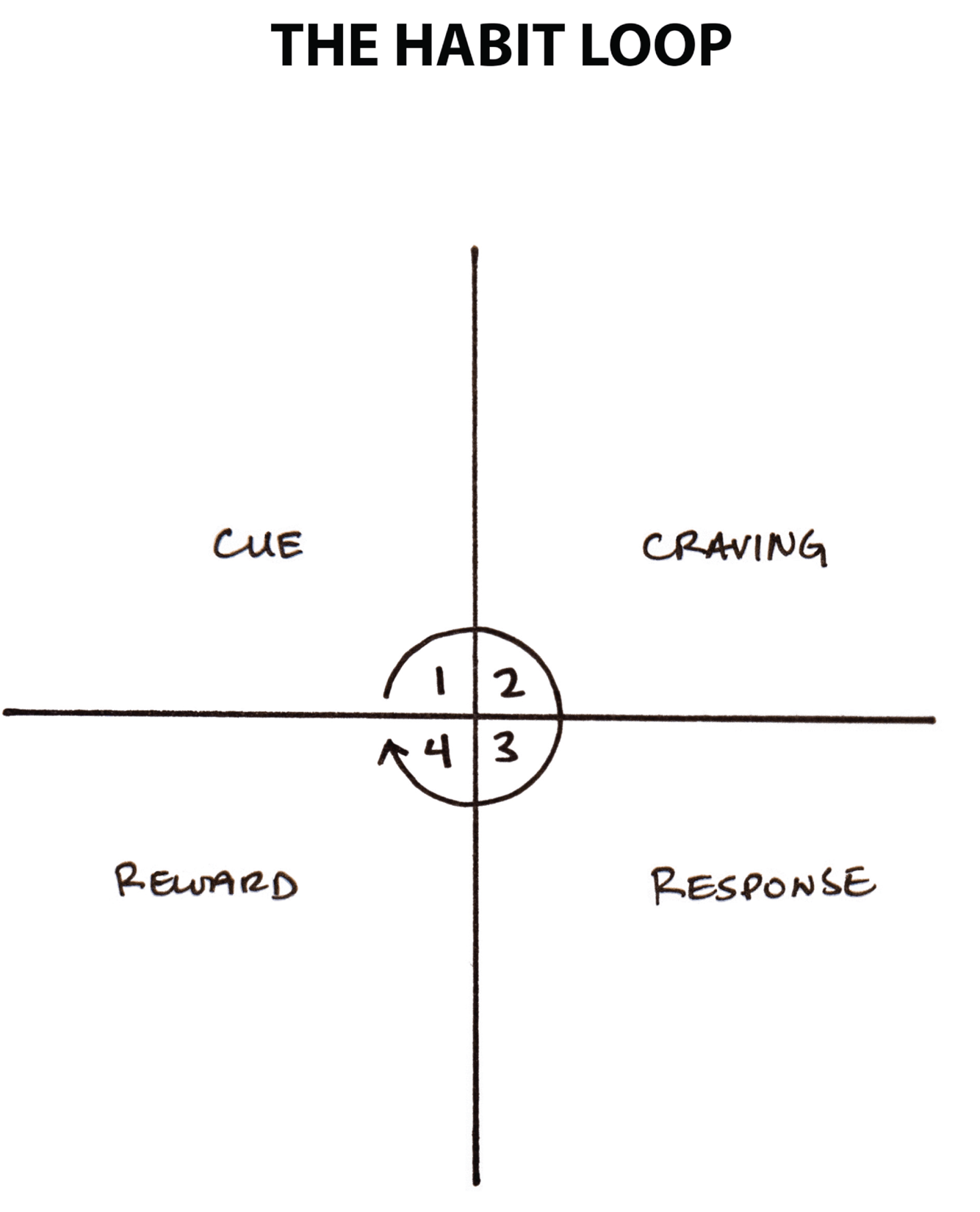
Another major takeaway from the book is how much your environment shapes your behavior. Good habits stick when they’re easy to start and hard to ignore. Bad habits fade when they’re inconvenient and unattractive.
I stopped trying to rely on willpower and started setting up my surroundings to work for me. The food that supports me is visible. Habits I want to keep are tied to routines I already have. Friction is removed wherever possible.
You don’t need more motivation. You need a setup that supports the life you’re trying to build.
5. Consistency Beats Motivation Every Time
Motivation is unreliable. Energy fluctuates. Life happens.
What actually works is building habits that are small enough to show up for even on low-energy days. Especially on low-energy days. Showing up imperfectly is far more powerful than waiting to show up perfectly.
You don’t need to do everything. You just need to keep going.
How I Apply This Today
Today, I don’t aim for perfect habits. I aim for habits that are easy to repeat.
One example is red light therapy. I use it in the morning and stack it with something I already enjoy, either meditation or listening to a podcast or audiobook. On its own, red light could easily feel like another task. Paired with something calming, it becomes built-in downtime. One habit supports the other, without adding pressure or taking extra time.
I apply the same thinking to food. I try to eat at roughly the same times every day, especially breakfast. Not because it has to be perfect, but because regular timing supports my energy, digestion, and focus. When the timing is predictable, everything else becomes easier.
Movement works the same way. On days when I don’t have time or energy for a full workout, I still show up. Sometimes that means moving for ten minutes and leaving. That still counts. The habit I’m protecting isn’t the workout itself, it’s the identity of being someone who shows up consistently.
This idea comes up often in James Clear’s conversations and podcast appearances. Consistency builds trust with yourself. Perfection isn’t required. Repetition is.
xA