Salmon Tataki with Avocado Yogurt Cream
This is the kind of meal I make when I want something that feels a little special but still comes together quickly. Lightly seared salmon, a clean citrus-soy marinade, and a creamy avocado yogurt base make this feel elevated without being heavy or complicated.
It’s fresh, protein-rich, and satisfying, and one of those dishes that feels supportive rather than overwhelming.
Why You’ll Love It
Quick to make but feels elevated
High in protein and omega-3 fats
Naturally supports inflammation balance
Minimal ingredients with clean flavour
Works for lunch or a light dinner
Ingredients (serves 2–3)
Salmon Tataki
400–500 g fresh salmon fillet, preferably centre-cut
1.5 dl gluten-free soy sauce or tamari (⅔ cup)
Juice of ½ orange
½ tsp honey or maple syrup, optional
Sesame seeds, for coating
Extra virgin olive oil, for brushing and for the pan
Avocado Yogurt Cream
1 ripe avocado
1 dl Greek yoghurt or plain natural yoghurt (½ cup)
Juice of ½ lemon
1 tbsp extra virgin olive oil
Sea salt and black pepper, to taste
How to
Marinate the salmon
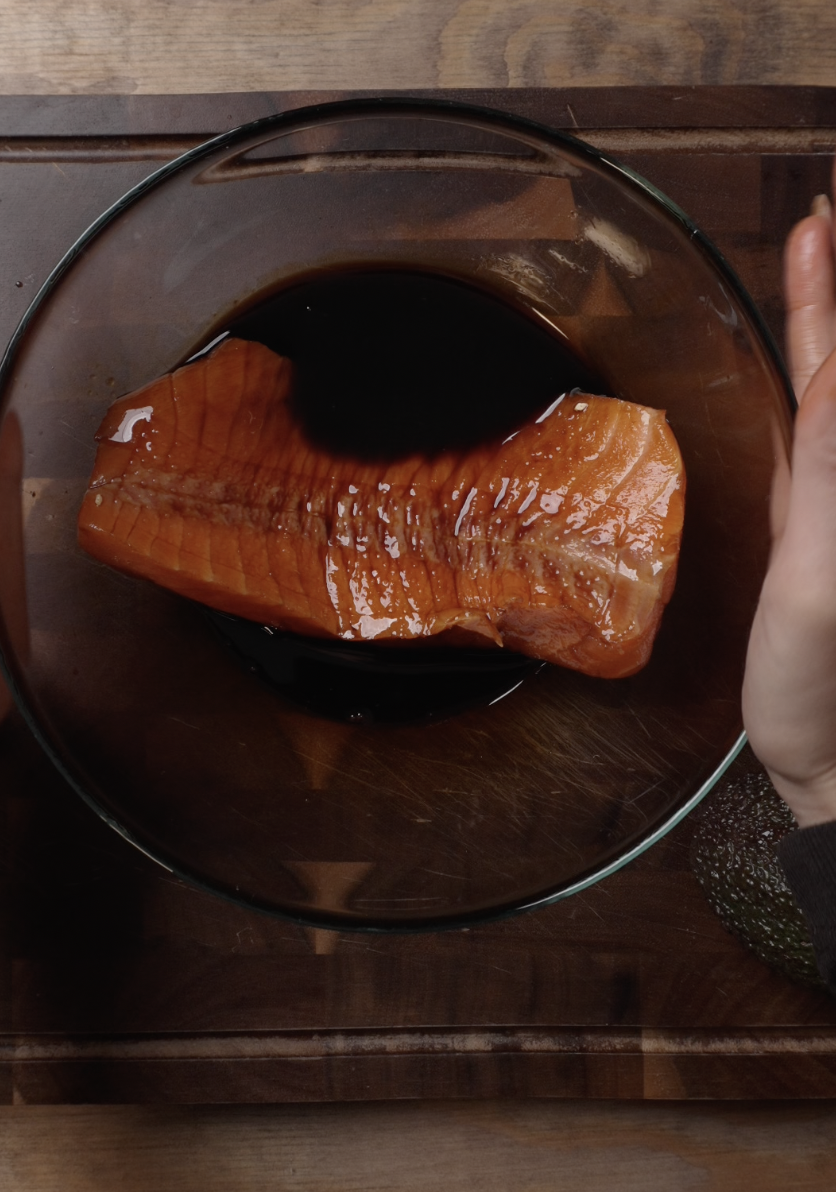
Mix the soy sauce, orange juice, and honey if using in a shallow dish. Add the salmon and let it marinate while you prepare the avocado yogurt cream, turning it once or twice.Make the avocado yogurt cream
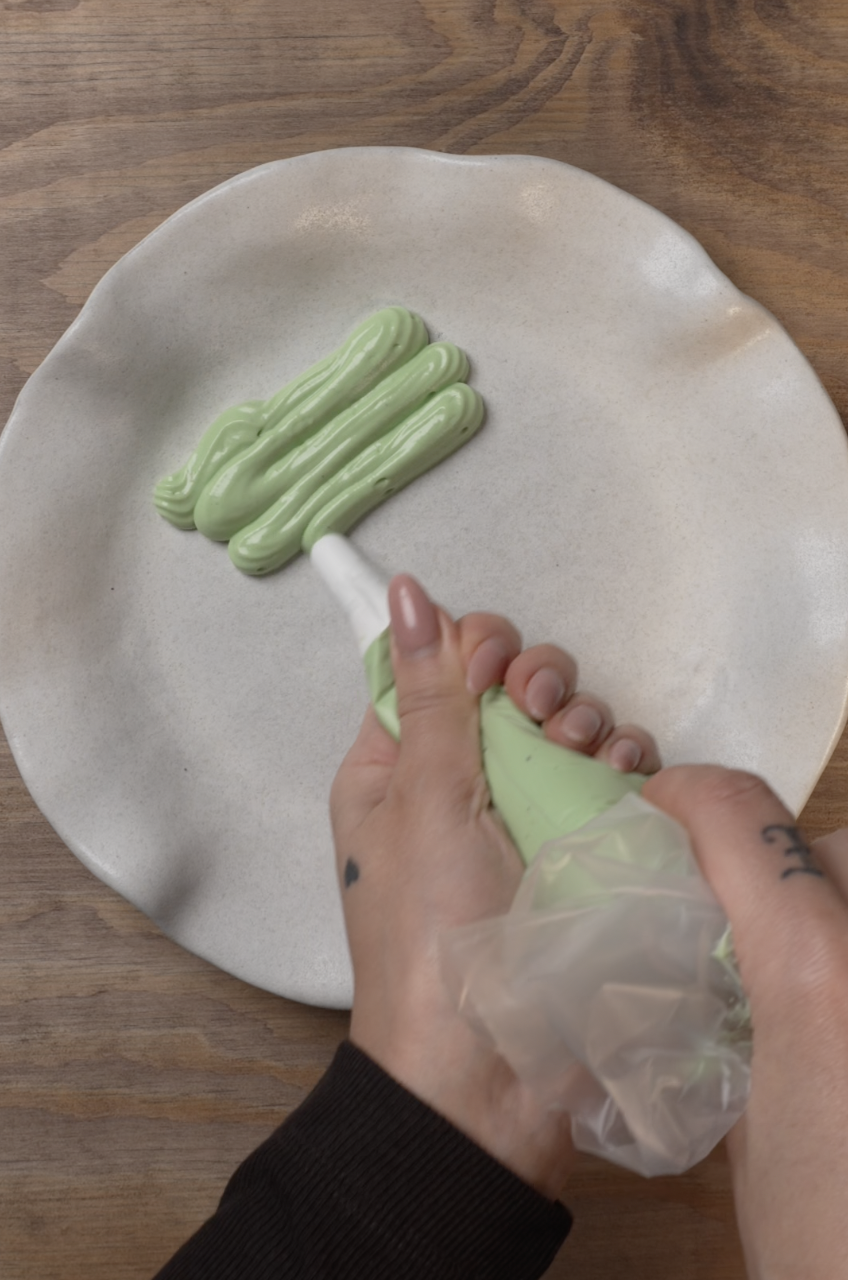
Add the avocado, yoghurt, lemon juice, olive oil, salt, and pepper to a blender or bowl. Blend or mash until smooth and creamy. Taste and adjust seasoning if needed.Prepare the salmon
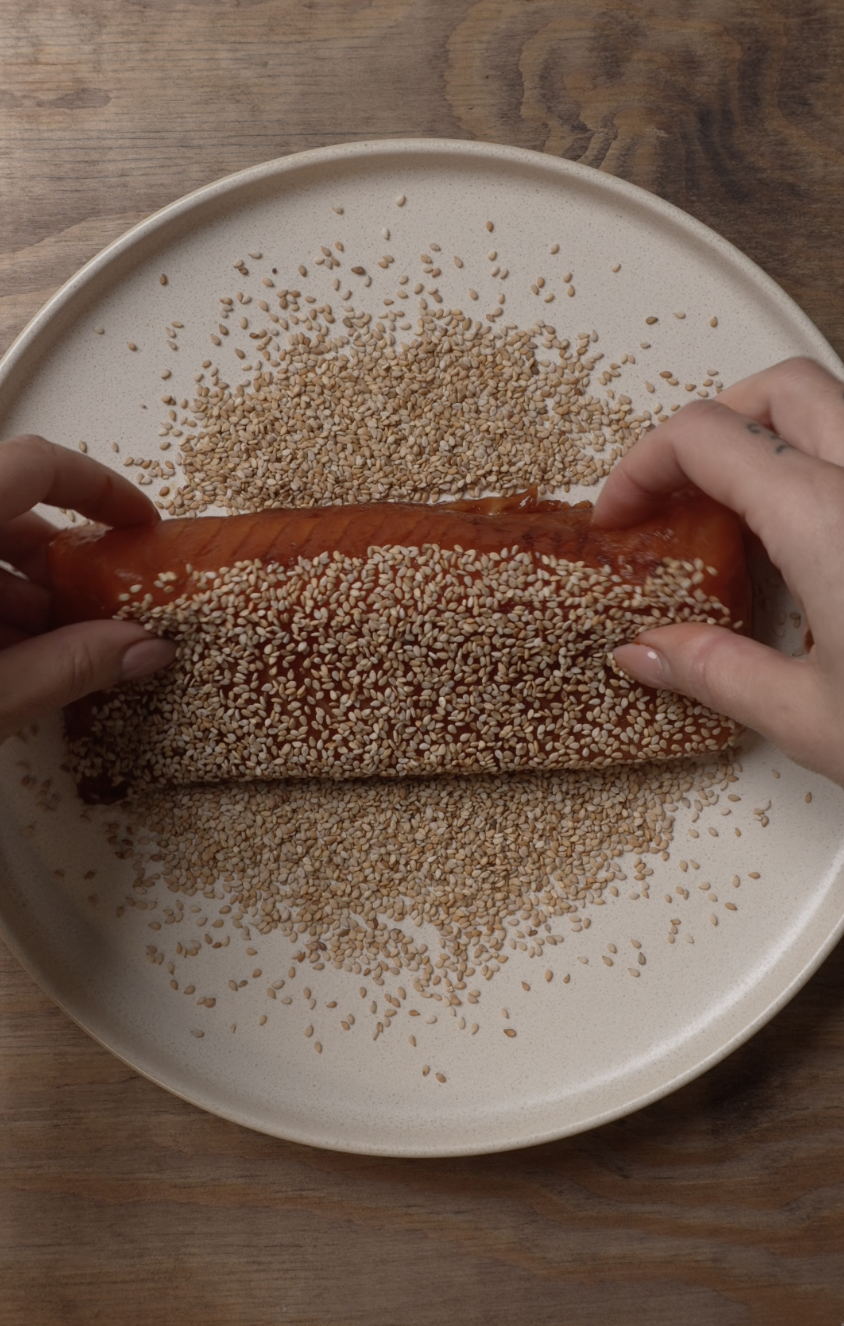
Remove the salmon from the marinade and pat it completely dry with kitchen paper. Lightly brush or rub the surface with olive oil, then gently roll the salmon in sesame seeds so they adhere evenly.Sear the salmon
Heat a pan with a small amount of olive oil over medium-high heat. Sear the salmon for about 1–2 minutes per side, just until the outside is lightly golden while the inside remains raw.Slice and serve
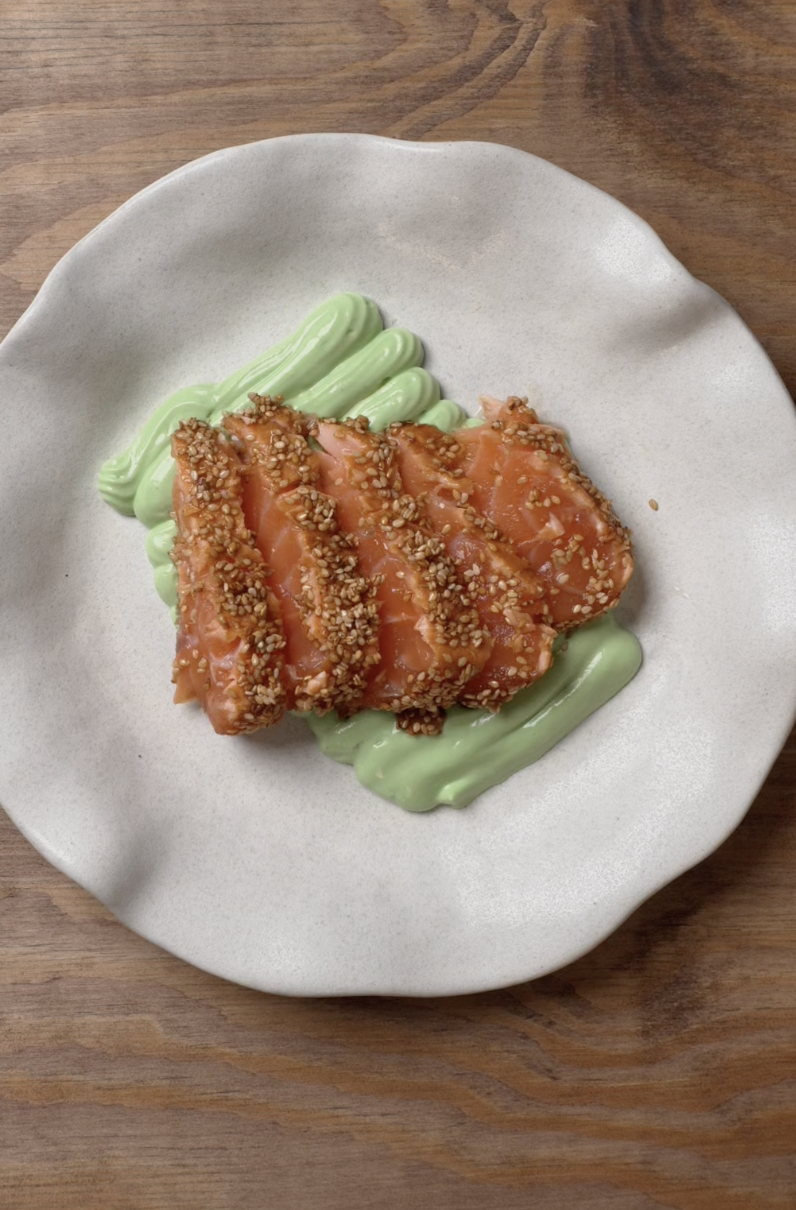
Slice the salmon into thick pieces and serve over a spoon of avocado yogurt cream. Enjoy immediately.
Anti-Inflammatory Notes
Salmon → rich in omega-3 fats and high-quality protein
Avocado → healthy fats that support digestion and satiety
Olive oil → anti-inflammatory fats that support heart health
Citrus → supports digestion and freshness without heaviness
Good to know
A centre-cut piece of salmon works best for tataki. The goal is a brief sear that leaves the inside raw and tender. If you prefer it slightly more cooked, leave it in the pan for an extra minute, but avoid cooking it through.